Quick Tips to Boost Lodge Income Quickly in South Africa
- Armand Jansen
- Feb 23
- 4 min read
In the competitive hospitality industry of South Africa, lodges must adopt effective strategies to enhance their revenue streams. Sustainable growth depends on a combination of operational efficiency, targeted marketing, and exceptional guest experiences. This article outlines practical and actionable tips designed to boost lodge income quickly, ensuring long-term profitability and market relevance.
Understanding Market Trends to Boost Lodge Income Quickly
A thorough understanding of current market trends is essential for lodges aiming to increase profitability. South Africa’s tourism sector is dynamic, influenced by seasonal patterns, international travel fluctuations, and evolving guest preferences. Lodges should conduct regular market research to identify emerging opportunities and potential threats.
For example, the rise in eco-tourism and cultural experiences presents an opportunity to tailor offerings accordingly. Incorporating local heritage tours or sustainable practices can attract niche markets willing to pay a premium. Additionally, monitoring competitor pricing and service packages helps maintain competitive positioning.
Actionable recommendations:
Use data analytics tools to track booking patterns and guest demographics.
Partner with local tourism boards to stay informed about regional developments.
Adjust pricing strategies seasonally to maximise occupancy and revenue.

Enhancing Online Presence and Booking Efficiency
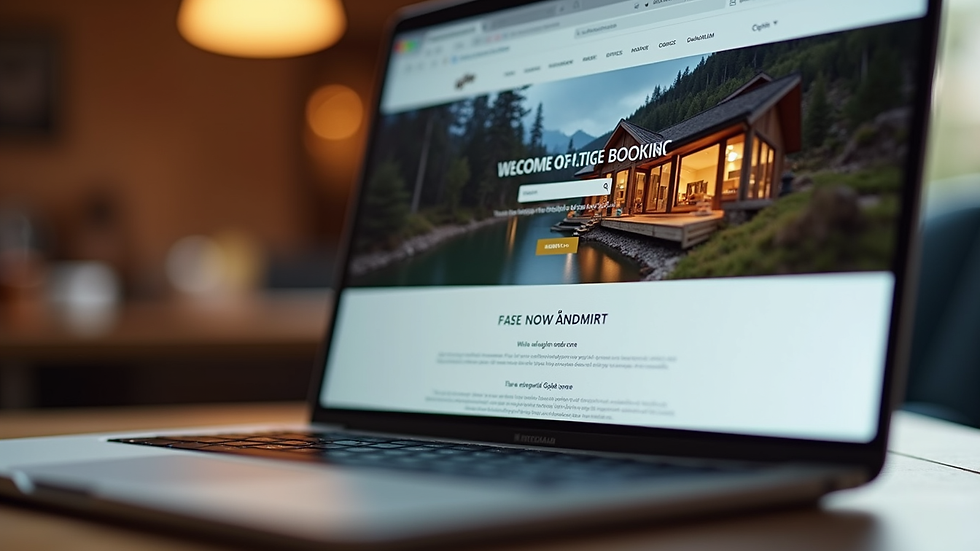
In the digital age, a strong online presence is indispensable for lodges seeking to boost income quickly. Potential guests often begin their search online, making it critical to have a user-friendly website and active social media profiles. A well-optimised website with clear calls to action can significantly increase direct bookings, reducing reliance on third-party platforms that charge commissions.
Implementing an efficient online booking system is equally important. It should offer real-time availability, secure payment options, and instant confirmation. Mobile compatibility is crucial, as many users book accommodations via smartphones.
Key strategies include:
Optimising website content for search engines using relevant keywords.
Utilising professional photography to showcase lodge amenities and surroundings.
Engaging with guests through social media channels to build brand loyalty.
Offering exclusive online deals to encourage direct bookings.
Leveraging Local Partnerships and Experiences
Collaborations with local businesses and communities can create unique value propositions that attract guests and increase revenue. Offering curated experiences such as guided safaris, cultural tours, or culinary events enhances the lodge’s appeal and justifies premium pricing.
Establishing partnerships with local artisans, transport providers, and tour operators can also reduce operational costs and improve service quality. These alliances foster community support and contribute to sustainable tourism development.
Practical steps to implement:
Develop package deals combining accommodation with local experiences.
Promote authentic cultural interactions that differentiate the lodge.
Negotiate commission-based agreements with local service providers.
Highlight these partnerships in marketing materials to emphasise community involvement.
Optimizing Operational Efficiency and Cost Management
Operational efficiency directly impacts profitability. Lodges should regularly review their processes to identify areas where costs can be reduced without compromising guest satisfaction. Energy management, waste reduction, and staff training are critical components.
Investing in energy-efficient appliances and water-saving technologies can lower utility expenses. Training staff to deliver consistent, high-quality service improves guest reviews and repeat business. Additionally, inventory management systems help prevent overstocking and reduce waste.
Recommendations for operational improvements:
Conduct energy audits and implement sustainable practices.
Schedule regular staff training sessions focused on customer service excellence.
Use technology to streamline inventory and procurement processes.
Monitor key performance indicators to track efficiency gains.
Implementing Dynamic Pricing and Revenue Management
Dynamic pricing strategies enable lodges to adjust room rates based on demand, seasonality, and market conditions. This approach maximises revenue by capturing higher rates during peak periods and offering discounts during low occupancy.
Revenue management software can assist in analysing booking trends and competitor pricing, facilitating informed decisions. Bundling services such as meals, spa treatments, or transport can also increase average spend per guest.
Steps to apply dynamic pricing effectively:
Analyse historical booking data to identify demand patterns.
Set flexible pricing tiers aligned with market segments.
Monitor competitor rates regularly to maintain competitiveness.
Promote value-added packages to enhance guest experience and revenue.
By integrating these strategies, lodges can increase lodge revenue fast while maintaining high service standards.
Fostering Guest Loyalty and Encouraging Repeat Visits
Building a loyal customer base is vital for sustained revenue growth. Personalised guest experiences and loyalty programmes encourage repeat visits and positive word-of-mouth referrals. Collecting and analysing guest feedback helps tailor services to meet expectations.
Lodges should implement systems to track guest preferences and communicate offers that resonate with their interests. Special incentives for returning guests, such as discounts or complimentary upgrades, reinforce loyalty.
Effective loyalty-building tactics:
Develop a structured loyalty programme with clear benefits.
Use customer relationship management (CRM) tools to personalise communication.
Encourage online reviews and respond promptly to feedback.
Host exclusive events or promotions for repeat guests.
Final Thoughts on Revenue Growth Strategies
Achieving sustainable revenue growth requires a multifaceted approach. By understanding market trends, enhancing online presence, leveraging local partnerships, optimising operations, and implementing dynamic pricing, lodges can significantly improve their financial performance. Additionally, fostering guest loyalty ensures a steady stream of repeat business, which is crucial for long-term success.
The hospitality sector in South Africa offers abundant opportunities for lodges willing to innovate and adapt. Strategic planning combined with consistent execution will position lodges to thrive in a competitive environment and realise their full revenue potential.



Comments